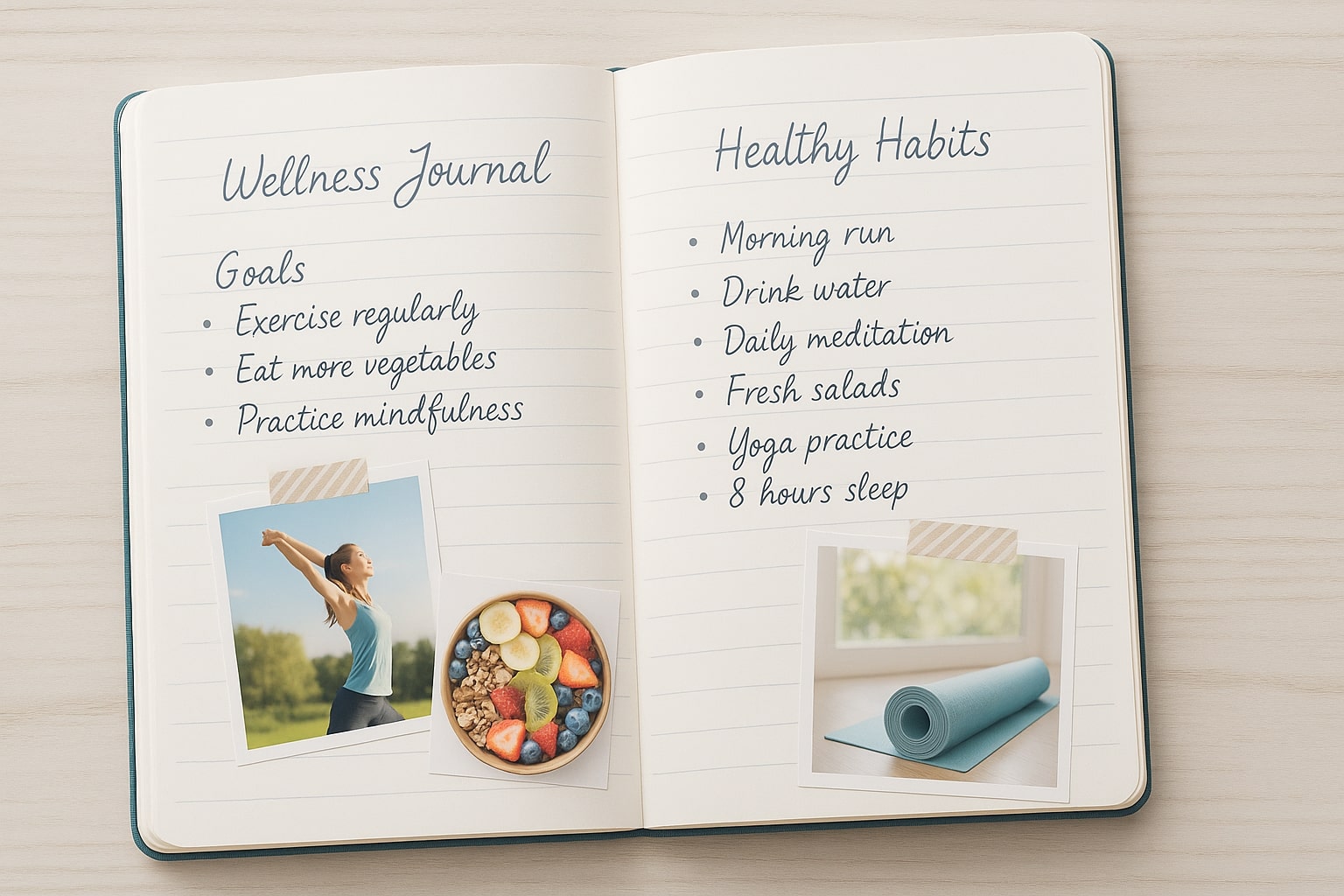
Discover practical tips, evidence-based advice, and inspiration for your wellness journey. Our articles cover nutrition, fitness, stress management, and healthy lifestyle habits.
Quality sleep is essential for overall health, yet many people struggle with getting enough rest. Poor sleep affects energy levels, mood, cognitive function, and even weight management. The good news is that small changes to your evening routine can make a significant difference.
Start by establishing a consistent sleep schedule, going to bed and waking up at the same time every day. Create a relaxing bedtime routine that includes dimming lights, avoiding screens for at least one hour before bed, and practicing calming activities like reading or gentle stretching. Keep your bedroom cool, dark, and quiet, and consider limiting caffeine intake after 2pm. These simple adjustments can transform your sleep quality within just a few weeks.
Emotional eating—using food to cope with feelings rather than hunger—is a common challenge that many people face. Stress, boredom, anxiety, and sadness can all trigger the urge to eat, even when you are not physically hungry. Recognizing the difference between emotional hunger and physical hunger is the first step toward change.
Physical hunger develops gradually and can be satisfied with any food, while emotional hunger comes on suddenly and often craves specific comfort foods. To overcome emotional eating, practice mindful eating by paying attention to your hunger cues and eating slowly without distractions. Find alternative coping strategies such as taking a walk, calling a friend, journaling, or practicing deep breathing exercises. Remember, occasional emotional eating is normal—the goal is to develop healthier patterns over time.
Water is essential for nearly every function in your body, from regulating temperature and transporting nutrients to supporting digestion and maintaining energy levels. Even mild dehydration can cause fatigue, headaches, difficulty concentrating, and decreased physical performance.
Most adults need approximately 8-10 glasses of water daily, though individual needs vary based on activity level, climate, and body size. Start your day with a glass of water, keep a reusable water bottle with you throughout the day, and set reminders if needed. If plain water feels boring, try adding fresh fruit slices, cucumber, or herbs like mint for natural flavor. Pay attention to your body's signals—thirst, dark urine, and dry skin are all signs you need more water.
Creating balanced meals does not have to be complicated or require counting calories. A simple approach is to visualize your plate divided into sections: fill half with colorful vegetables and fruits, one quarter with lean protein sources, and one quarter with whole grains or starchy vegetables.
Include a variety of colors on your plate to ensure you are getting different nutrients—dark leafy greens, orange and red vegetables, berries, and purple produce all offer unique health benefits. Choose lean proteins like chicken, fish, beans, tofu, or eggs, and opt for whole grains such as brown rice, quinoa, or whole wheat bread instead of refined grains. Add healthy fats in moderation through sources like olive oil, avocado, nuts, and seeds. This balanced approach provides sustained energy and supports overall health.
Exercise is one of the most effective natural stress relievers available. Physical activity reduces stress hormones like cortisol and adrenaline while stimulating the production of endorphins, the body's natural mood elevators. You do not need intense workouts to experience these benefits—even moderate movement makes a difference.
Find activities you genuinely enjoy, whether that is walking, dancing, swimming, yoga, cycling, or playing sports. Aim for at least 30 minutes of moderate activity most days of the week. If you are short on time, break it into shorter sessions—three 10-minute walks are just as beneficial as one 30-minute walk. Pay attention to how movement makes you feel mentally and emotionally, not just physically. Regular exercise improves sleep quality, boosts confidence, and provides a healthy outlet for processing stress.
These articles provide general wellness information, but everyone's health journey is unique. If you would like personalized coaching tailored to your specific goals and challenges, we are here to help.